

Acquiring a commercial property or multifamily asset is a major milestone that signals a significant step forward in wealth creation. However, the excitement of expanding your portfolio often masks complex financial and legal minefields. Unlike highly regulated residential real estate, commercial property investing operates strictly on the principle of caveat emptor—buyer beware.
Many investors rush into acquisitions based on surface-level appeal, only to later discover unexpected operational burdens, escalating costs, and rigid lease structures that threaten their cash flow. To ensure your next acquisition acts as a wealth accelerator rather than a liability, you must look past the initial curb appeal and master a comprehensive underwriting process.
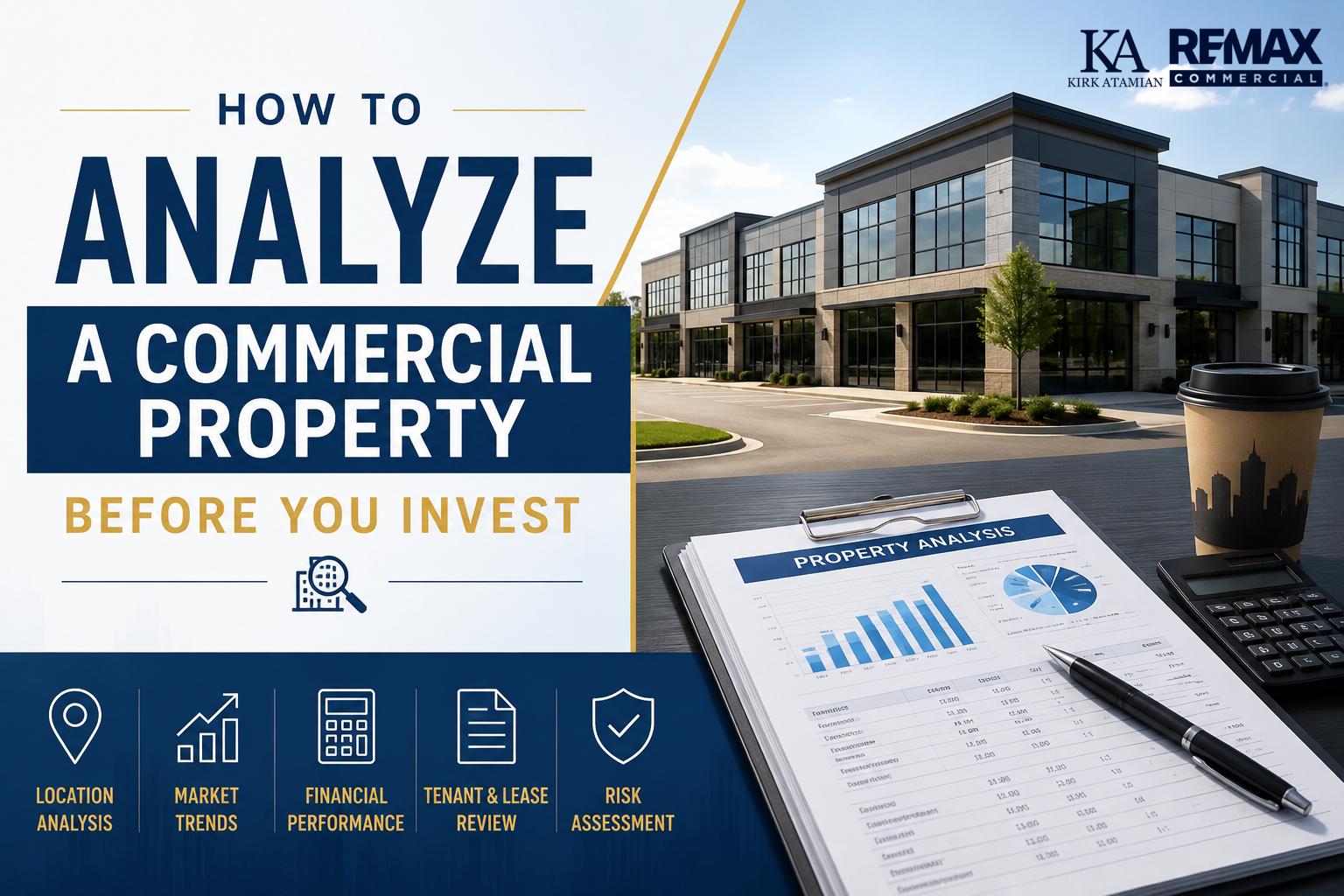
To safely navigate the market, every investor must evaluate five core pillars of property analysis before signing on the dotted line.
1. Location Analysis: Look Beyond the Street Address
Location is the one variable you can never change about an asset. A thorough location analysis goes deeper than just checking the neighborhood. You need to evaluate accessibility, traffic counts, neighborhood demographics, and proximity to major employment hubs.
For multifamily assets and retail spaces alike, a property’s value is directly tied to the economic health of its immediate surroundings. Look for submarkets with strong population growth, high median household incomes, and structural barriers to entry for new competing developments.
2. Market Trends: Aligning with the Macro Landscape
Investing in a vacuum is a recipe for underperformance. You must analyze broader market trends to determine whether you are buying into growth or fighting a structural decline.
- Supply and Demand: Track historic and projected vacancy rates in the submarket.
- Regulatory Environment: For multifamily investments, pay close attention to local tenant protection laws, compliance costs, and rent control measures.
- Economic Drivers: In tech-centric regions like Silicon Valley, tracking how employment shifts or tech investment cycles impact local rental demand is crucial for forecasting long-term appreciation and occupancy.
3. Financial Performance: Auditing the True Numbers
The pro forma provided by a listing broker is a marketing tool; your underwriting must reflect reality. Analyzing financial performance requires a deep dive into historical operating statements (T-12), tax returns, and utility bills.
The most critical step is identifying hidden operational leakages, such as deferred maintenance, escalating utility costs, or property management inefficiencies. Ensure you calculate a realistic Net Operating Income (NOI) by factoring in accurate vacancy allowances and real-world capital expenditure (CapEx) reserves. Relying on overly optimistic projections can quickly turn an expected high-yield asset into a cash-draining liability.
4. Tenant & Lease Review: Uncovering Hidden Capital Risks
A commercial property is only as stable as the leases that support it. When conducting a tenant and lease review, you must look for traps that quietly erode profitability:
- Uncapped Expense Pass-Throughs: Review Common Area Maintenance (CAM) structures. For properties where you inherit tenants, check if caps exist that limit how much operational overhead can be passed through.
- Lease Rollover Risk: Avoid assets where multiple major leases expire simultaneously, which creates severe income vulnerability.
- Tenant Creditworthiness: Evaluate the financial strength of the existing tenant base to ensure long-term rent stability.
5. Risk Assessment: Securing Your Investment Future
The final pillar is a holistic risk assessment, which protects your capital from worst-case scenarios. This involves evaluating the physical structural integrity of the building via a Property Condition Assessment (PCA) to avoid immediate, out-of-pocket roof or HVAC replacements.
Additionally, mitigate legal and structural risks by securing strong renewal options, auditing zoning compliance, and structuring financing with a safety margin. Sophisticated investors ensure that asset protection measures are integrated directly into the purchase contract, transforming a standard transaction into a highly strategic, risk-adjusted investment.
The Takeaway
Whether you are acquiring a multifamily building in San Jose or looking at commercial assets across Silicon Valley, the depth of your upfront analysis dictates your operational freedom for years to come. In high-stakes commercial real estate, the list price is merely a starting point—everything in the underwriting is negotiable.
By systematically evaluating location, market trends, finances, leases, and structural risks before closing the deal, you protect your capital, limit downside risk, and ensure your portfolio sits on a rock-solid foundation for growth. Don’t just buy a property; secure an asset.